Retail Checkout Hardware Upgrades Worth Making in 2026
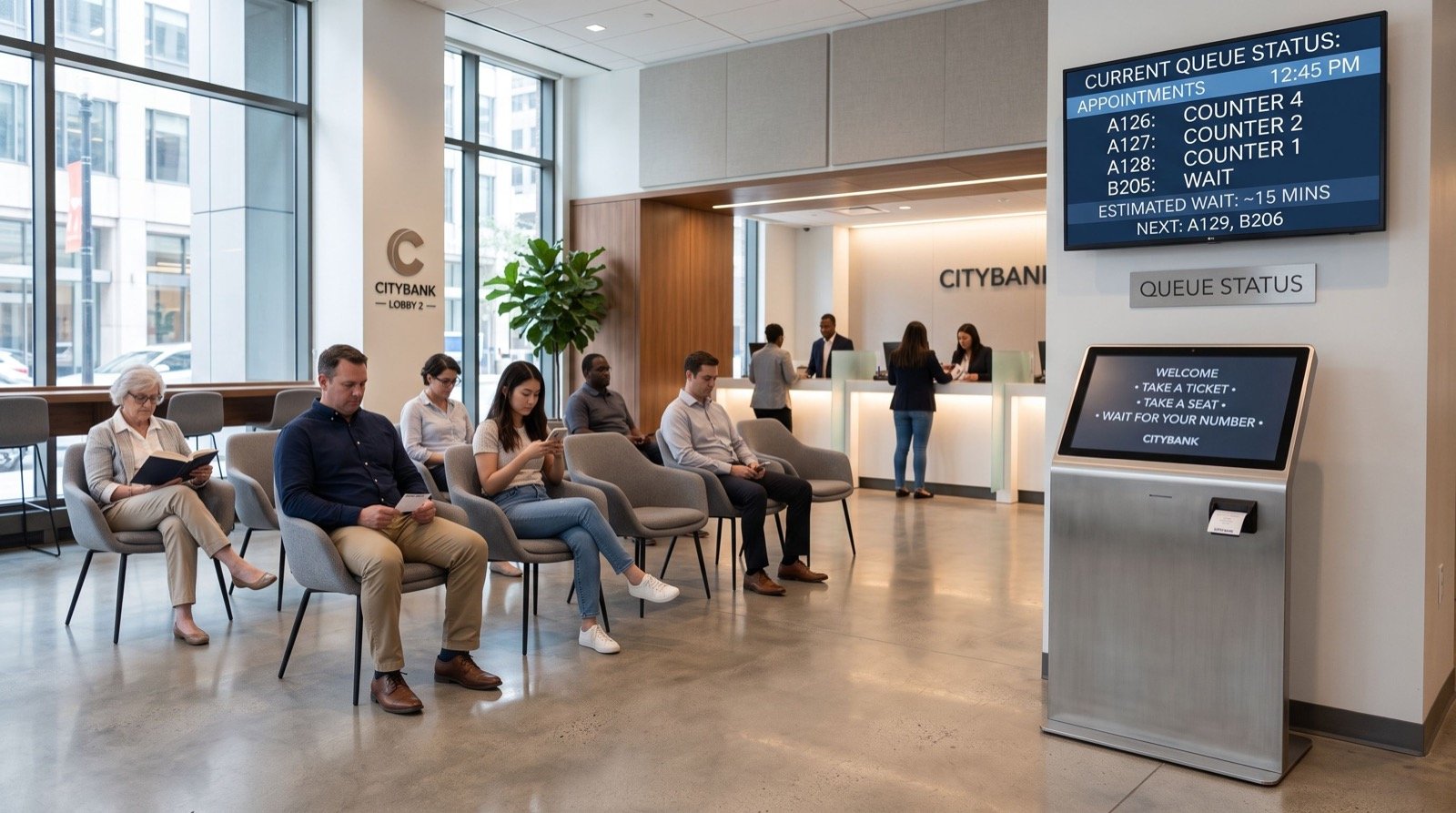
Ask any retail operations manager what slows down a checkout line, and the answer is rarely the cashier — it’s the equipment. A barcode scanner that struggles with a crumpled label, or a customer-service headset that crackles during a busy call, quietly costs stores more time and more frustrated customers than most owners realize. This is why two specific upgrades keep appearing on retail and service-counter procurement lists heading into 2026: a dependable scanning solution like the Honeywell Orbit HF680, and a lightweight communication headset such as the Addasound Epic 301.
Neither upgrade is flashy. Both are the kind of unglamorous hardware decisions that quietly determine whether a checkout line moves smoothly or backs up into the aisles. This article breaks down what each device does well, how they complement each other on a busy retail floor, and how to plan the purchase without overspending.
Why Scanning Speed Still Decides Checkout Satisfaction
Barcode scanning feels like a solved problem until you watch a cashier fight with a scanner for ten seconds on a damaged label while a line of customers waits. Barcode symbology itself is governed by global retail data standards from bodies like GS1, and scanning hardware has to decode those standards reliably at real-world speed. Omnidirectional scanners like the Honeywell Orbit HF680 are built specifically to reduce that friction — reading labels at odd angles, on curved packaging, or partially torn tags, without the cashier needing to carefully reposition every item.
Retail and grocery operators that have standardized on hands-free, presentation-style scanners consistently report fewer rescans and a noticeably smoother flow at peak hours, which matters most precisely when a store can least afford a slowdown — Friday evenings, weekend mornings, and holiday rushes.
What Makes a Presentation Scanner Different From a Handheld
- Hands-free design frees the cashier to bag items while scanning continues
- Omnidirectional laser or imaging technology reads labels at almost any angle
- Durable housing built for continuous, all-day commercial use
- Fast decode speed that keeps pace with high-volume grocery and convenience checkout
- Compatibility with most modern point-of-sale software out of the box
Why the Counter Headset Matters Just as Much
Scanning hardware solves the physical bottleneck at the register. But many retail counters also double as a customer-service point — handling phone inquiries, store-to-store stock checks, or coordinating with a back-room team — often at the exact same moment a customer is standing at the till. A clear, comfortable headset like the Addasound Epic 301 keeps that second conversation from interrupting the first. Its lightweight build and noise-reducing microphone are designed for exactly this kind of split-attention retail environment, where staff genuinely are doing two things at once for a good part of their shift.
Staff who’ve switched from older, bulkier headsets often report less ear fatigue by the end of a long shift — a small detail that adds up across a full retail week and can measurably affect staff retention at busy locations.
Barcode Scanner vs. Headset: Comparing What Each One Solves
| Checkout Challenge | Honeywell Orbit HF680 | Addasound Epic 301 |
|---|---|---|
| Slow or failed label reads | Solves directly | No effect |
| Phone/counter conversations overlapping | No effect | Solves directly |
| Cashier hands tied up during scan | Solves (hands-free design) | No effect |
| Staff fatigue over a long shift | Minor improvement | Solves directly |
| Typical unit lifespan | 5+ years commercial use | 2-3 years daily use |
Is This Upgrade Worth It for a Smaller Store?
Independent retailers often assume this kind of hardware is reserved for big chains with large IT budgets. That’s increasingly untrue in 2026. Entry packages now scale down to single-register stores, and many distributors offer financing or leasing that spreads the cost across monthly payments rather than one large upfront purchase. For a store processing even a few hundred transactions a day, the time saved on rescans alone often justifies the investment within the first several months.
Planning the Upgrade Without Disrupting Daily Sales
- Test on one register first. Compare scan speed and cashier feedback against the existing setup for a full week before a store-wide order.
- Schedule installation during low-traffic hours, typically early morning before doors open.
- Pair hardware changes with brief staff training — even intuitive devices benefit from five minutes of hands-on practice.
- Track rescans and call-handling time for a month afterward to quantify the real-world improvement for management reporting.
Store owners weighing vendors for this kind of upgrade often get better long-term results working with trusted professionals who can also advise on complaint handling and support workflows once the new hardware is in daily use.
Common Mistakes Stores Make When Upgrading Checkout Hardware
Not every upgrade goes smoothly, even with good equipment. The most common missteps tend to repeat across different store types:
- Buying the cheapest scanner available instead of one rated for commercial daily-use volume, leading to early hardware failure
- Skipping staff training on new devices, assuming the hardware is “obvious” to use
- Installing new equipment during a Saturday rush instead of a quiet weekday morning
- Forgetting to budget for spare units, leaving a register out of service when one device fails
- Measuring success only by gut feeling instead of tracking rescans or call-handling time before and after
Avoiding these pitfalls costs nothing beyond a little planning, yet it’s often the difference between an upgrade that pays for itself quickly and one that quietly disappoints everyone who approved the budget.
Frequently Asked Questions
How long does it take to install a new barcode scanner at a register?
Most presentation scanners connect through standard USB or serial interfaces and integrate with existing point-of-sale software within minutes, meaning a single-register swap can usually happen between customers during a quiet moment.
Do hands-free scanners actually scan faster than handheld models?
For high-volume checkout, yes. Because the cashier doesn’t need to pick up and reposition the item manually, presentation-style scanners typically process a full basket noticeably faster than a handheld unit used the same way all day.
Is a lightweight headset really necessary, or is any headset fine?
Weight and clamping pressure matter more than most buyers expect. A heavier or ill-fitting headset worn for a full shift causes measurable discomfort, while a purpose-built lightweight design reduces fatigue and keeps staff more attentive late in the day.
Can these two upgrades be purchased and installed separately?
Yes. There’s no requirement to bundle them, though many stores choose to roll both out together since the staff training and installation downtime overlap, making a combined rollout more efficient than two separate projects.
Final Word
Checkout hardware rarely gets the spotlight in a retail strategy meeting, but it quietly shapes every customer’s last impression of a store. Upgrading to a reliable scanner like the Honeywell Orbit HF680 alongside a comfortable, clear headset such as the Addasound Epic 301 is a practical, affordable way to tighten up that last moment of the shopping experience — and in 2026’s competitive retail landscape, that last moment matters more than ever.