Apartment Dog Waste Disposal: Small-Space Guide for 2026
Living in an apartment with a dog brings unique challenges, and apartment dog waste disposal sits near the top of the list. With no private yard, no outdoor bin steps away, and neighbors sharing your walls and hallways, cleanup demands a tidy, odor-conscious system. This 2026 guide walks you through practical solutions that keep your home fresh and your building relationships friendly.
The core problem is containment. In a small space, even a little odor travels fast, and a poorly sealed bin can make an entire unit unpleasant. Fortunately, a few smart habits and the right supplies solve it completely. Let’s build a routine that works within four walls.
Why Apartment Dog Waste Disposal Needs a System
In a house, you can toss a bag in an outdoor can and forget it. In an apartment, waste often waits indoors until your next trip to the building dumpster. That gap is where odor and mess creep in, so containment and speed become essential.
The main small-space challenges include:
- No immediate outdoor bin, so waste is temporarily stored inside.
- Shared hallways and elevators where leaks or smells are noticed instantly.
- Limited storage for tools and supplies.
- Close neighbors who appreciate courtesy and cleanliness.
How Do You Control Odor in a Small Space?
Odor control starts with sealing waste immediately. Double-knotting a quality bag, then storing it in a lidded, odor-locking container until disposal, keeps smells contained. Empty that container daily rather than letting bags accumulate, and a quick wipe with a pet-safe disinfectant keeps the area fresh.
Building Your Compact Cleanup Kit
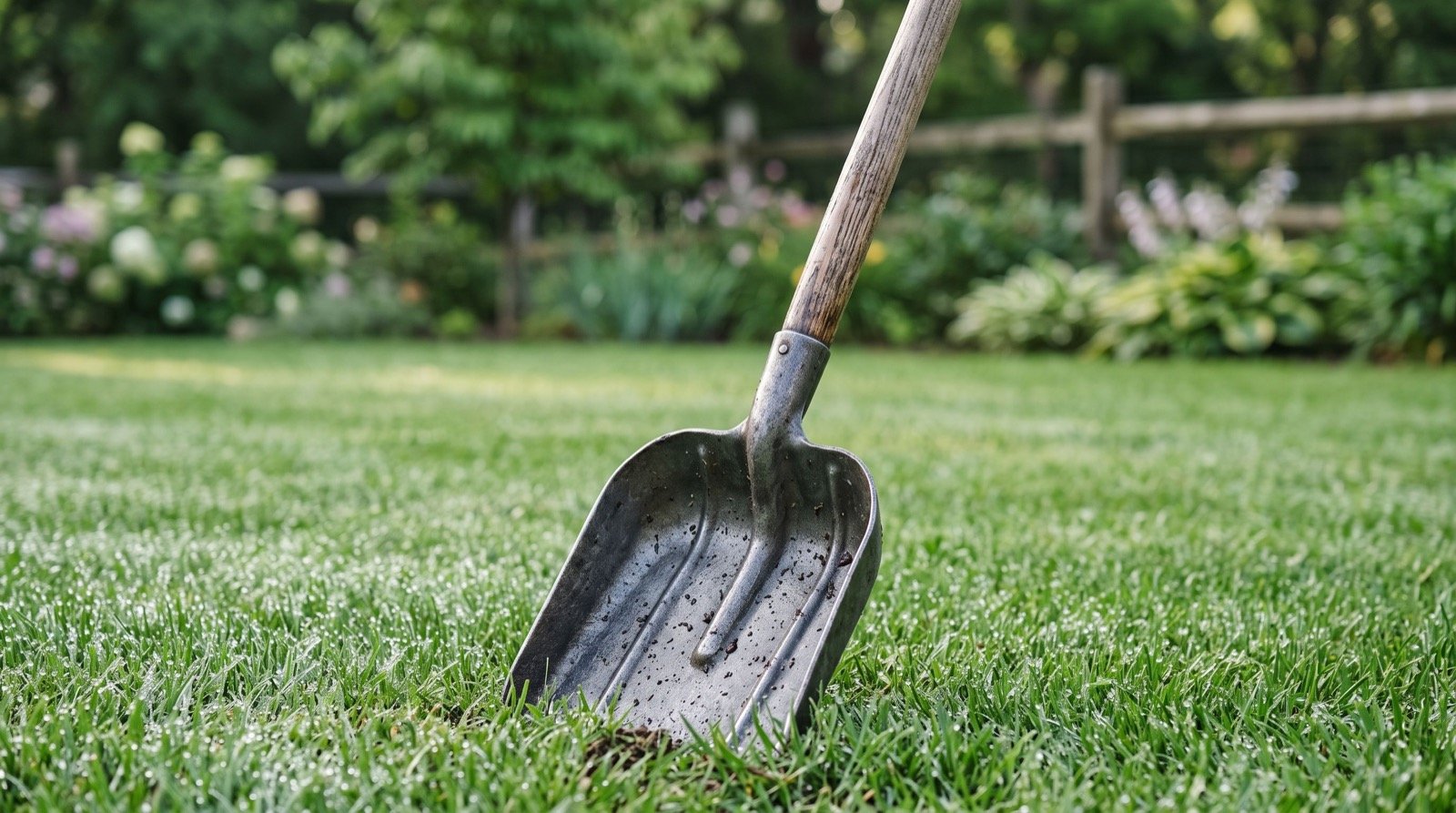
Space is precious, so choose multipurpose tools that store easily. A compact scoop-and-bag design is ideal because it handles cleanup on walks and any indoor accidents without extra gear. A Pooper Scooper with Bag keeps everything in one hand, which matters when you are juggling a leash in a busy hallway.
For containment, sturdy sealed liners are non-negotiable. Lining your indoor holding bin with heavy duty garbage bags prevents leaks and lets you tie off the whole batch cleanly before the trip to the dumpster. That single step eliminates most apartment odor complaints.
Small-Space Storage Comparison
| Solution | Space needed | Odor control | Best for |
|---|---|---|---|
| Lidded diaper-style pail | Small | Excellent | Studios, one-bedrooms |
| Sealed liner in small bin | Very small | Good | Tight kitchens |
| Balcony bin with lid | Moderate | Good (outdoors) | Units with balconies |
| Carry-out every time | None | Best | Owners near a chute |
Daily Habits for a Fresh Apartment
A tight routine prevents problems before they start. In a small space, timing and consistency matter more than any single product:
- Bag waste on the walk and tie it immediately, before returning inside.
- Use the building dumpster or chute on the way in whenever possible.
- If storing waste, seal it in a lidded container and empty daily.
- Keep a small stock of bags by the door and in your pocket.
- Wipe down any indoor holding area regularly with pet-safe cleaner.
Being a Considerate Neighbor
Courtesy protects your reputation in the building. Never leave bags in shared hallways, and clean up promptly if your dog has an accident in a common area. Responsible pet ownership in shared housing reflects the same principles the American Veterinary Medical Association promotes — respecting the health and comfort of the people and animals around you.
Handling No-Yard Living Long Term
Apartment life with a dog is entirely workable with the right setup. Frequent short walks, a reliable sealing routine, and a compact kit make apartment dog waste disposal almost invisible to your neighbors. When you need building-wide help with common-area upkeep, many residents coordinate with trusted professionals to keep shared spaces clean.
Consistency is the secret. Because a small space punishes procrastination quickly, staying ahead of the mess keeps your home and hallway fresh with minimal effort.
Structuring Walks Around Disposal
In apartment living, the walk itself is your disposal system. Because you rarely have a private outdoor bin, planning your route around trash access removes most of the friction. A little forethought means waste never has to travel far or wait long.
Try these route-planning tips:
- Map the public and building bins along your usual walking loops.
- Time the main walk so it ends near the dumpster or chute.
- Encourage your dog to go early in the walk, giving you disposal options along the way.
- Carry a spare sealed bag so a second surprise never leaves you stuck.
Training and Consistency Help Too
Dogs thrive on routine, and a predictable potty schedule makes apartment dog waste disposal far easier to manage. Feeding at consistent times leads to more predictable bathroom needs, which lets you plan walks around reliable disposal points. Rewarding your dog for going in appropriate outdoor spots reinforces good habits and reduces indoor accidents.
If accidents do happen indoors, act fast. Clean the spot with an enzyme-based cleaner that removes the scent entirely, since lingering odor can invite repeat marking. Quick, thorough cleanup protects your flooring, your air quality, and your relationship with the neighbors who share your building.
Balconies Are Not a Substitute for Walks
Some owners are tempted to let a dog use the balcony as a bathroom. This almost always backfires, creating trapped odor, drainage complaints, and unhappy neighbors below. Reserve the balcony for fresh air and stick to a walk-based routine with proper sealed disposal instead.
Frequently Asked Questions
How do I store dog waste in an apartment without odor?
Seal each bag with a double knot and place it in a lidded, odor-locking container. Empty that container daily rather than letting bags pile up, and the smell stays fully contained even in a small space.
Can I flush dog waste in my apartment toilet?
Only flushable waste without the bag, and only if your building’s plumbing and local rules allow it. Never flush plastic bags. For most apartment dwellers, sealed bagging and dumpster disposal is safer.
What is the best cleanup tool for apartment living?
A compact scoop-and-bag tool works best because it handles walks and indoor accidents while storing easily. Pair it with sturdy sealed liners for your indoor holding bin.
How often should I take out dog waste in an apartment?
Daily, at minimum. In a small space, waste stored longer than a day tends to create odor, so a same-day disposal habit keeps your apartment and shared areas fresh.
Final Thoughts on Apartment Dog Waste Disposal
Effective apartment dog waste disposal comes down to sealing, timing, and courtesy. With a compact kit, leak-proof liners, and a daily disposal habit, you can keep even the smallest home fresh and your neighbors happy throughout 2026. Set up your system once, and small-space dog ownership becomes effortless.